
Ministry of Rail Transportation is a blogging site about Transportation.
Read MoreWhy Transportation Remains the Invisible Backbone of Modern Film Production
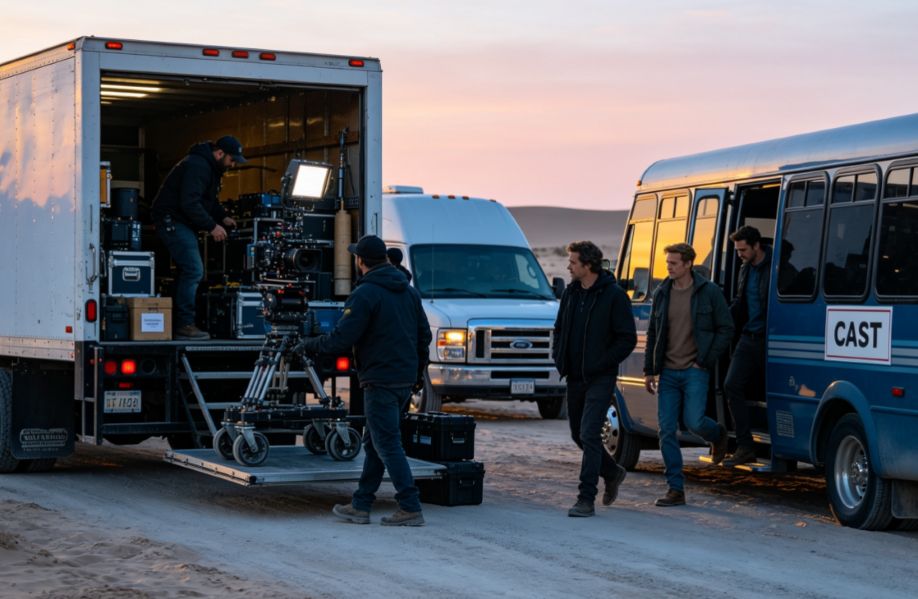
The global film and audiovisual industry supports millions of jobs and contributes hundreds of billions of dollars to the world economy, making it one of the largest creative sectors today, reports UNESCO. While audiences often remember memorable performances, compelling stories, and striking visuals, much of what makes a film possible happens long before the cameras begin rolling. Transportation quietly connects every stage of production, helping people, equipment, and creative ideas move from one location to another.
Many viewers discover films through digital platforms, including Cima Now movies, where productions can be streamed with just a few clicks. Yet every film available through online streaming services began with physical logistics. Cast members traveled to filming locations, production crews transported equipment, and support teams coordinated complex schedules behind the scenes. The European Audiovisual Observatory notes that film production relies on extensive coordination across creative and technical departments, making logistics an essential part of the filmmaking process.
Transportation Is the Foundation of Film Production
Every film begins with movement. Directors visit potential filming sites, producers inspect locations, and technical teams evaluate whether a setting can support lighting, sound, and camera requirements. These early trips shape production decisions long before audiences see the finished result.
Once filming starts, transportation becomes even more important. Actors travel between hotels, studios, and filming locations while hundreds of crew members follow carefully planned schedules. Camera operators, costume designers, makeup artists, electricians, and production assistants all depend on reliable transportation to keep daily filming on track. Even small delays can affect an entire shooting schedule.
Equipment presents another logistical challenge. Professional cinema cameras, lighting rigs, sound systems, drones, cranes, costumes, props, and temporary set materials require specialized handling during transport. Research published by the Producers Guild of America highlights that production logistics play a major role in maintaining efficiency, controlling costs, and reducing unexpected delays during filming.
The difference between independent productions and large studio projects often becomes clear through transportation planning. A local production may rely on vans and small trucks. A large international production could require cargo shipments, dedicated transport fleets, and months of logistical preparation before filming begins.
Location Access Depends on Reliable Transportation
Filming locations shape the atmosphere of a movie, yet reaching those places is often far more difficult than audiences realize.
Urban Productions
Large cities offer convenient infrastructure, experienced crews, and established production services. However, filming in busy urban areas brings different challenges. Production vehicles must navigate traffic, obtain parking permits, and deliver equipment without disrupting daily life. Local authorities frequently coordinate road closures and public safety measures to support filming activities. Guidance published by many municipal film offices, including the British Film Commission, emphasizes careful transportation planning as part of successful urban productions.
Remote Filming Locations
Natural landscapes often provide the authenticity directors seek. Desert regions, mountain villages, coastlines, forests, and historical sites can add visual depth that studio sets cannot easily replicate. Reaching these destinations, however, often requires detailed planning.
Production teams may need four-wheel-drive vehicles, temporary access roads, portable power systems, fuel deliveries, and emergency support services. Weather conditions can further complicate transportation schedules. Despite these challenges, filmmakers continue to choose remote locations because they strengthen storytelling and create memorable cinematic experiences.
This contrast highlights an interesting balance. Urban environments simplify logistics while creating operational restrictions. Remote locations increase transportation demands but reward productions with distinctive visual authenticity.
Transportation Supports International Film Collaboration
Modern filmmaking has become increasingly international. Directors, actors, cinematographers, visual effects artists, and composers often work across several countries on a single project. Transportation makes these partnerships possible.
International co-productions allow studios to share financial resources, technical expertise, and creative talent. Data published by the European Audiovisual Observatory shows that co-produced films frequently reach wider audiences because they benefit from broader distribution networks and collaborative financing.
Moving people is only one part of the equation. Specialized cameras, lighting equipment, costumes, set pieces, and post-production materials may cross borders several times during production. International festivals also depend on transportation as filmmakers travel to premiere their work, participate in interviews, and meet distributors.
These collaborations demonstrate that transportation is more than a support service. It creates opportunities for cultural exchange while allowing productions to access locations and expertise that may not exist in a single country.
Digital Streaming Has Changed Distribution, Not Production
Technology has transformed how audiences watch films. Physical film reels once traveled from laboratories to cinemas through trucks, cargo services, and regional distributors. Today, viewers can stream movies almost instantly using internet-connected devices.
Despite this shift, transportation has not become less important. It has simply moved to a different stage of the filmmaking process. Digital platforms have reduced the need to ship physical copies of films, yet production still depends on moving people, equipment, and materials efficiently. Similar principles apply beyond the entertainment industry, where transportation supports modern mobile lifestyles. This demonstrates how reliable transport networks continue to enable flexible ways of living and working in an increasingly digital world.
This distinction often goes unnoticed. Online movie platforms make entertainment feel immediate because viewers only see the final product. Behind every digital release lies months, and sometimes years, of coordinated travel, freight planning, equipment delivery, and location management. Experts at the Motion Picture Association continue to describe production infrastructure as a key factor supporting the global film industry’s growth.
Transportation Will Continue to Shape the Future of Filmmaking
Film production continues to evolve alongside advances in transportation and logistics. Electric production vehicles, improved route planning software, GPS fleet management, and more sustainable transportation practices are becoming part of modern production planning. Industry organizations such as the Producers Guild of America and the British Film Institute have also encouraged sustainable production practices that include reducing transportation-related emissions where practical.
Regional film incentives are expanding as well. Governments increasingly support productions that bring investment, tourism, and employment to local communities. Better transportation infrastructure allows filmmakers to explore new locations while maintaining efficient production schedules. This creates fresh storytelling opportunities across the Arab world and beyond.
Conclusion
Transportation rarely receives attention when audiences discuss memorable films, yet it remains one of the industry’s most important foundations. Every production depends on the movement of actors, technicians, equipment, costumes, and creative resources before a single scene reaches the screen.
Streaming services have transformed how audiences enjoy films, making digital entertainment more accessible than ever. Even so, every feature available through online cinema platforms represents months of careful planning and physical coordination behind the scenes. As filmmaking continues to embrace new technology, transportation will remain an essential partner in bringing stories from real locations to viewers around the world.

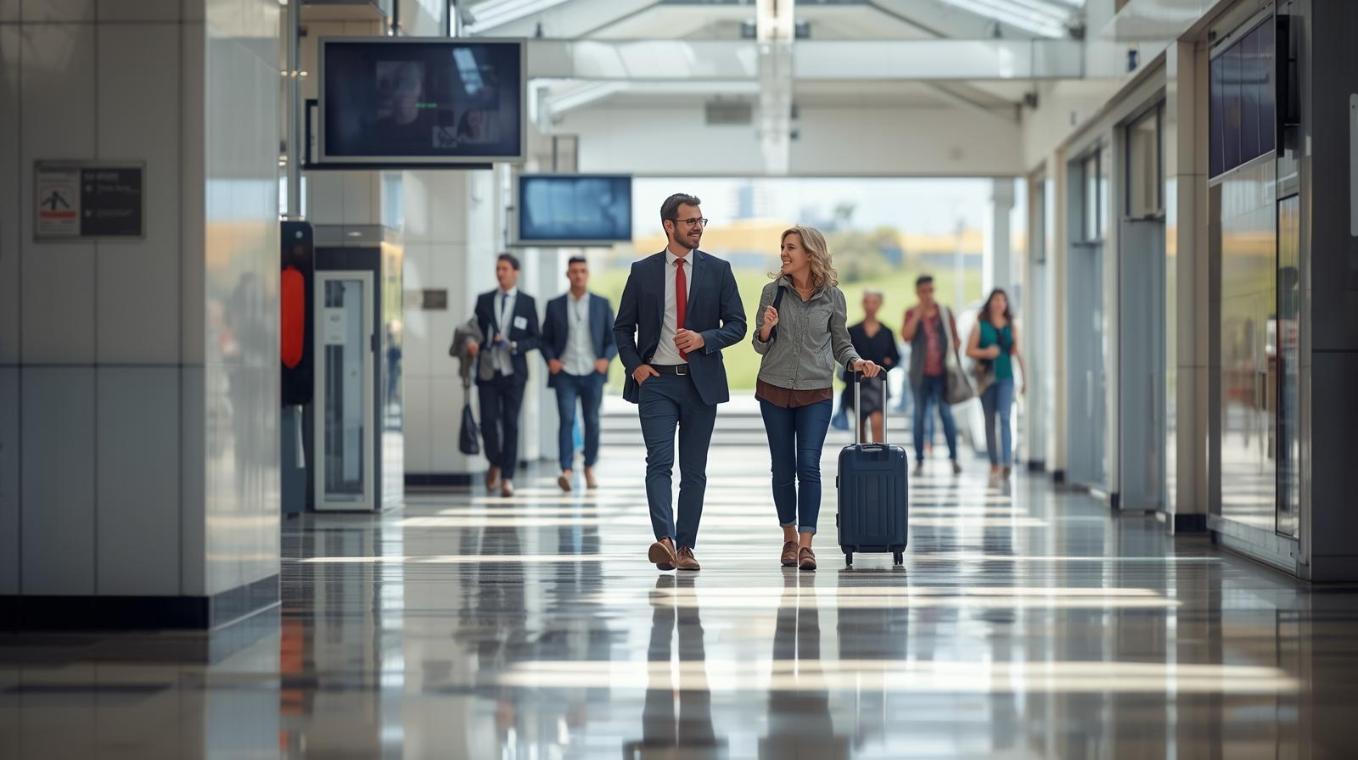
 Digital nomad visas are changing the way people live and work. They allow remote workers to stay in a foreign country legally for several months, sometimes even longer. While the focus is often on where to go and how to apply to https://www.whywaititaly.com, transportation is just as important. Getting around your host country easily can shape your whole experience.


 According to industry experts the best method of towing is by using the appropriate type of towing truck when performing tow jobs. It’s important therefore that towing company managers and dispatchers are knowledgeable not only about different types of tow trucks; but also of the emergency situation or recovery condition of vehicles needing roadside assistance. The following provides a quick look at the types of towing equipment used by tow service providers:




 Make sure it is genuine: Ensure that the suppliers you choose do not breach Instagram’s standards when it comes to offering followers.
 Using an RV cover is essential to protect your investment. It helps keep your RV in good shape for years to come by shielding it from weather elements, UV damage, and general wear and tear.




 The daily commute can be a source of stress and frustration for many people. Whether you’re sitting in traffic, navigating crowded public transportation, or enduring a long and boring drive, it’s easy to feel anxious and unhappy


 Every logistic coordinator participating in the supply chain network, takes on the responsibility of arranging time, space and resources to ensure that the goods in process of delivery will not lose value upon reaching each destination.
 A logistics coordinator will also be in charge of monitoring the status, progress,
  Yet if the job position posted is for a higher level logistics coordinator position, an applicant must also have proven experience not only in coordinating transport, delivery and storage of goods, but also in rendering effective customer service. Moreover, he or she must be able to perform work with little or no supervision at all, by having adequate knowledge of ISO requirements and relevant supply chain laws and regulations. The ability to multi-task or to supervise multiple logistics coordinators in the performance of their specific task is a plus factor.
 Public
